The Atlantic Memory Route: From Ouidah to Cape Coast Castle — A Story of Power, Trade, and Shared Responsibility
Research article: Remo Kurka - A historical journey across borders, cultures, and the Atlantic world
The Atlantic slave trade is often described as a simple story of European ships arriving on African shores, capturing helpless victims, and transporting them across the ocean. This narrative is emotionally powerful, but historically incomplete. It hides the complexity of African political systems, the agency of African kingdoms, and the uncomfortable truth that the trade was sustained by African rulers, merchants, and military elites long after Europe claimed to have abolished it.
To understand the Atlantic world honestly, we must follow the real route — not the simplified version. A route that begins in the royal palaces of Dahomey, moves through the river towns of Togo, crosses the lagoons of the Volta Region, and reaches the stone dungeons of Cape Coast Castle and Elmina Castle. A route that connects Ouidah to Cape Coast, Aného to Keta, Abomey to the Caribbean, and the Gulf of Guinea to the Americas.
This is the Atlantic Memory Route — a corridor of power, trade, conflict, and cultural survival that shaped millions of lives.
Cape Coast Castle SearchSearch our Network. Start here.
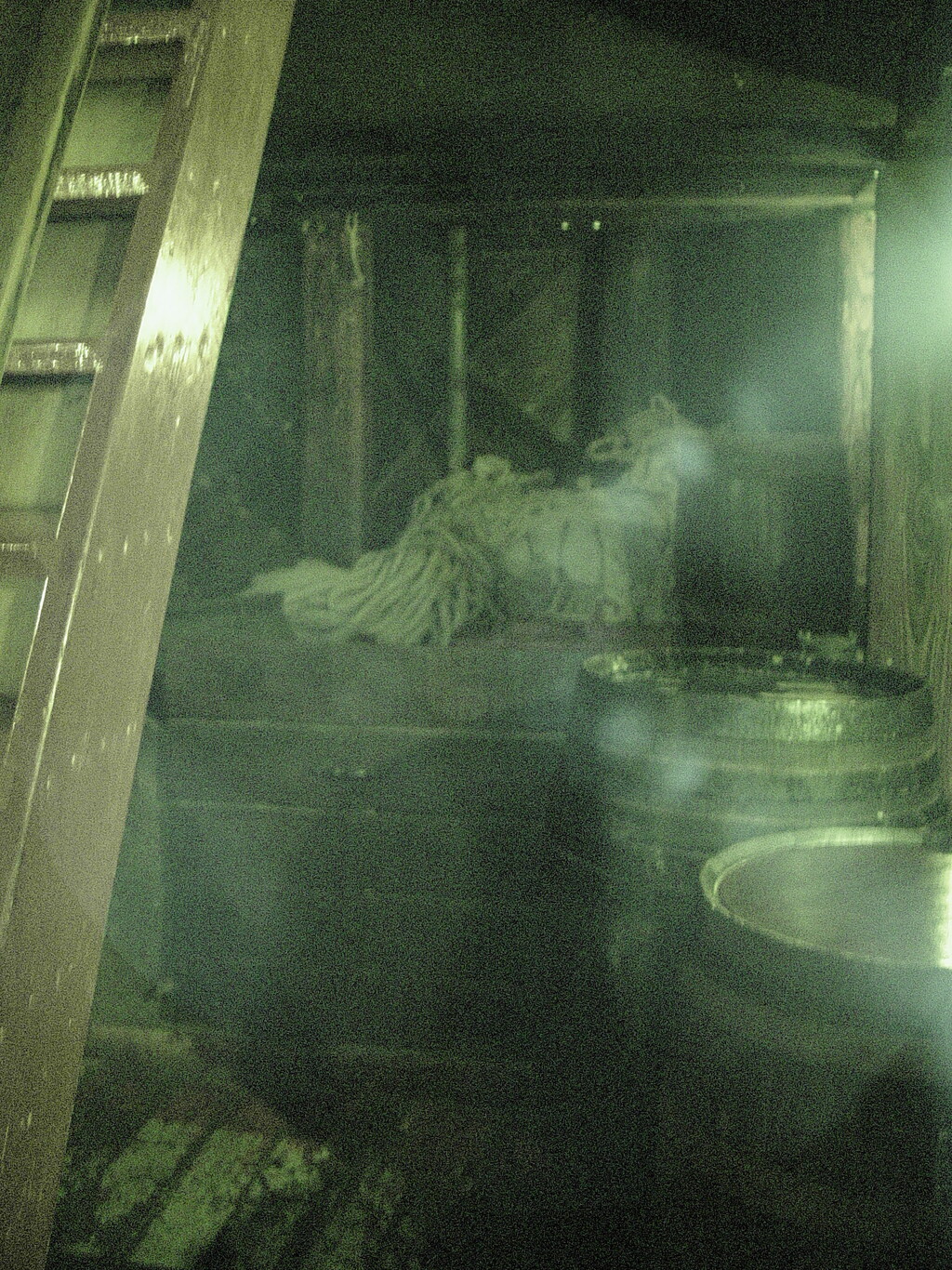
Slave Trade, Storage of a slave trader vessel, under deck (c) Remo Kurka
Dahomey: A Kingdom Built on Power, Not Victimhood
The Kingdom of Dahomey was not a passive observer of history. It was one of West Africa’s most organized and militarily disciplined states. Its kings built a centralized system that controlled trade routes, regulated markets, and maintained a standing army that included the famous women warriors known as the Agojie.
Dahomey’s rulers understood the economics of the Atlantic world. They negotiated with European traders, set prices, controlled supply, and used the profits to strengthen their kingdom. They were not victims of European manipulation — they were active participants in a global system.
And this participation did not end when Europe declared abolition.
Dahomey continued slave trading well into the late 19th century, even as European powers publicly condemned the practice. Illegal slave ships still left the Bight of Benin in the 1880s and 1890s. French colonial records confirm that Dahomey’s rulers continued capturing and selling enslaved people until France conquered the kingdom in 1894.
This fact matters. It dismantles the idea that Africans were simply victims. It shows that African agency — both positive and negative — shaped the Atlantic world.
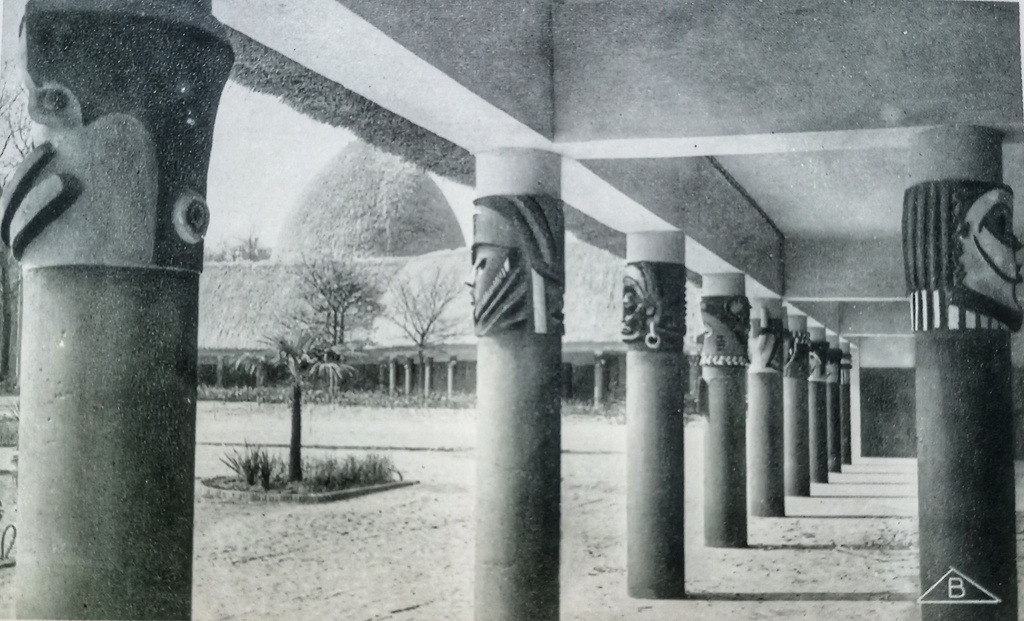
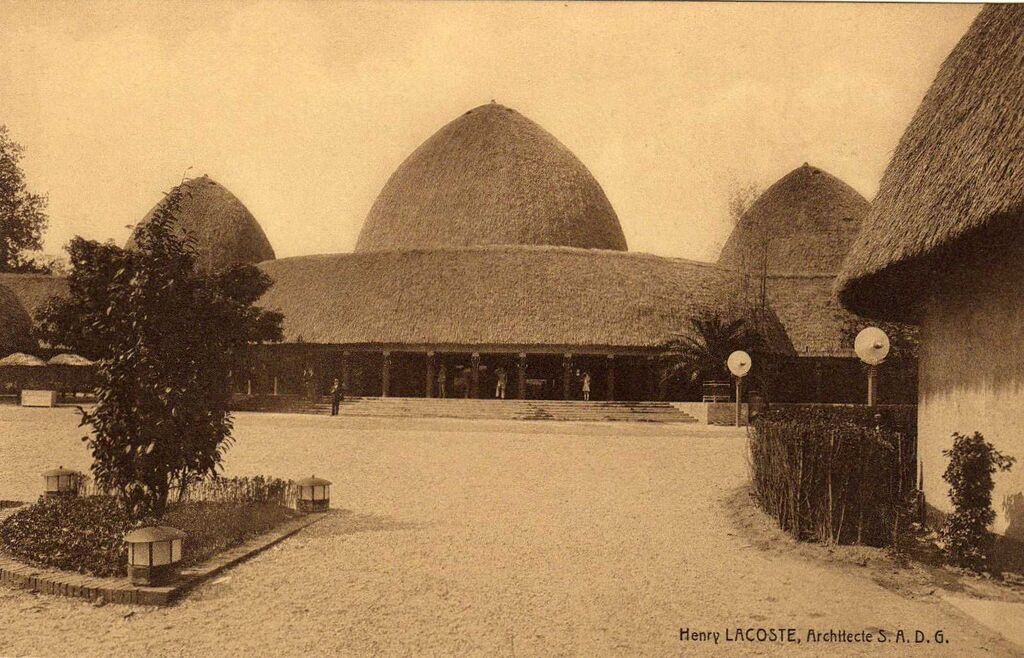
Dahomey Kingdom, Palace. A re-build during the French Colonial Exhibition, Paris, 1931 (c) Collection Remo Kurka
Visit also: The Lost Palaces of Africa in Paris: The 1931 Colonial Exhibition and the Memory of Dahomey (National Museum of Ghana website)
The Lost Palaces of Africa in Paris: DahomeyOuidah: The Atlantic Gateway of the Bight of Benin
Ouidah was one of the largest slave ports in West Africa. From here, enslaved people were shipped to Brazil, Haiti, Cuba, Jamaica, Barbados, Trinidad, and the American South. The majority of captives came from:
Dahomey’s wars of expansion
raids in Aja and Ewe territories
conflicts along the Mono River
disputes in the Volta basin
This means that the ancestors of African Americans and Afro‑Caribbeans often trace roots not only to Benin, but also to Togo and Ghana’s Volta Region.
The Atlantic Memory Route begins here — at the Door of No Return — but it does not end here.
The Mono River and the Eastern Corridor: A Cultural Highway
Between Ouidah and Cape Coast lies a corridor of shared languages, traditions, and histories. The Mono River basin connected communities long before Europeans arrived. Aja, Fon, Ewe, and related groups moved freely across the region, trading salt, cloth, palm oil, and spiritual objects.
This corridor extended westward into:
Aného
Keta
Anlo
Ho
Kpando
These communities were not isolated. They were part of a cultural world that stretched from Abomey to the Volta River.
When captives were taken from this region, they carried with them:
Vodun spiritual traditions
drumming patterns
naming systems
foodways
architectural styles
oral histories
These traditions survived in the Caribbean and the Americas, where they evolved into new cultural forms.
Cape Coast Castle: The Atlantic’s Western Anchor
Cape Coast Castle was one of the largest slave-trading fortresses in the Gold Coast. Its dungeons held many thousands of captives at a time. Its walls witnessed suffering, resistance, negotiation, and profit. European traders operated here, but they did not work alone.
African middlemen, coastal elites, and inland kingdoms supplied captives to the fort. The trade was a partnership — brutal, profitable, and deeply interconnected.
The Atlantic Memory Route reaches its western anchor here, where captives from the Dahomey Corridor were held before being shipped across the ocean.
Cape Coast Castle and Ouidah were not separate stories. They were two ends of the same chain.
The Caribbean Connection: A Shared Atlantic Identity
The Atlantic slave trade created a new world — a world where African traditions mixed with European and Indigenous cultures to form the societies of the Caribbean and the Americas.
Across the Caribbean, echoes of the Dahomey Corridor remain:
Vodun became Vodou in Haiti
Fon and Ewe rhythms shaped Afro‑Caribbean music
Aja and Yoruba naming traditions survived in Brazil
Ghanaian and Beninese food-ways merged into Creole cuisine
Architectural styles influenced plantation layouts
Oral histories preserved memories of Abomey, Anlo, and Ouidah
The Atlantic Memory Route did not end at the shore. It continued in the lives of millions of descendants.
Why the Victimhood Narrative Must End
The modern political narrative — especially in Ghana — often frames Africans as passive victims of European brutality. This narrative is emotionally appealing, but historically inaccurate.
Africans were not powerless. African kingdoms made decisions. African rulers negotiated prices. African armies captured people. African merchants profited. African elites shaped the trade.
This does not excuse European crimes. But it does restore African agency — the ability to act, decide, influence, and shape history.
Victimhood removes dignity. Truth restores it.
The descendants of enslaved Africans deserve a history that recognizes their ancestors as human beings with complexity, not as faceless victims.
The people of West Africa deserve a history that acknowledges both the brilliance and the brutality of their past.
The Atlantic Memory Route tells this truth.
The Route Today: A Journey of Understanding
From Ouidah’s Door of No Return to Cape Coast Castle’s dungeons, the Atlantic Memory Route is a path of memory, identity, and reconciliation. It is a route that connects:
Benin
Togo
Ghana
the Caribbean
Brazil
the United States
It is a route that dismantles victimhood and replaces it with historical clarity.
It is a route that shows how African agency shaped the Atlantic world.
It is a route that honors the resilience of millions who survived the unimaginable.
And it is a route that reminds us that the past is not a weapon — it is a mirror.
A Corridor of Truth, Not Trauma
The Atlantic Memory Route is not a story of helplessness. It is a story of power, conflict, culture, and survival.
Dahomey’s kings were not victims. The people of the Mono River basin were not passive. The communities of Volta were not isolated. Cape Coast Castle was not a European-only enterprise. The Caribbean was not created by accident.
This is a story of human beings — acting, choosing, resisting, suffering, surviving.
And when we tell this story honestly, we give dignity back to the ancestors and strength to their descendants.