The Dahomey Corridor: How One Kingdom Shaped Ghana, Gold Coast, Togo & Benin
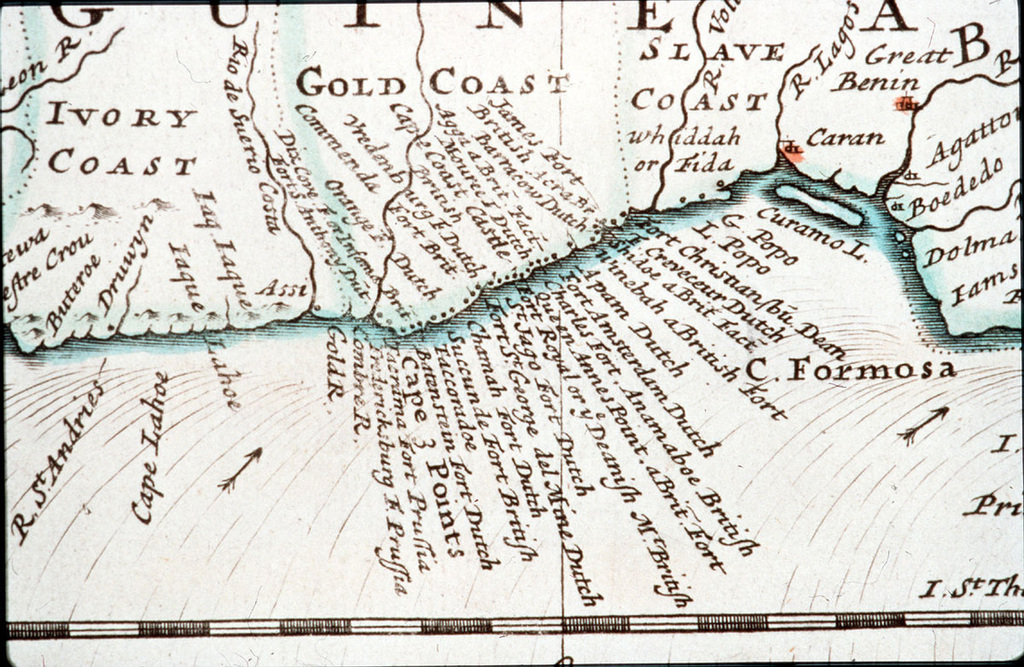
A historical journey across borders, cultures, and the Atlantic world
The story of West Africa is often told through modern borders — Ghana, Togo, Benin — neat lines drawn by European powers in the late nineteenth century. But long before these borders existed, the region was shaped by older forces: kingdoms, migrations, river routes, trade networks, and spiritual traditions that flowed freely across the land. Among these forces, the Kingdom of Dahomey stands out as one of the most influential. Its reach extended far beyond present‑day Benin, touching the cultural landscapes of Togo and even parts of what is today Ghana’s Volta Region.
This article explores the Dahomey Corridor — a historical and cultural zone stretching from Abomey to the Mono River, across Togo, and into eastern Ghana. It is a corridor of shared languages, intertwined traditions, and a legacy deeply connected to the Atlantic slave trade and the coastal forts of Ghana, including Cape Coast Castle and Elmina Castle.
Cape Coast Castle SearchSearch our Network. Start here.
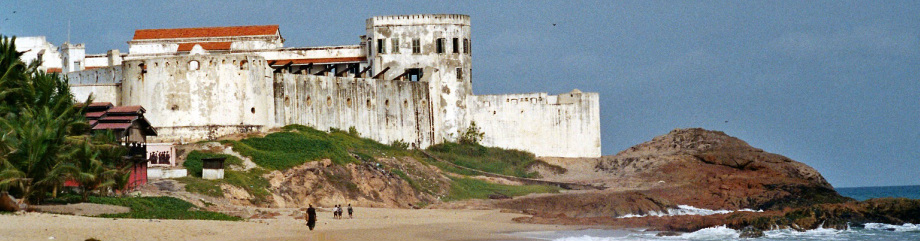
Cape Coast Castle gardens under protective walls. The Green spot below, that ist area of the garden (c) Remo Kurka
Origins of Dahomey: A Kingdom Built on Power, Strategy, and Identity
The Kingdom of Dahomey emerged in the seventeenth century in the Abomey plateau, rising from a network of Fon‑speaking communities. Its rulers built a centralized state known for military discipline, elaborate court rituals, and a political system that blended tradition with innovation. Dahomey’s kings — Houegbadja, Agaja, Tegbesu, and later Ghezo and Glele — expanded the kingdom through diplomacy, warfare, and strategic alliances.
Dahomey’s identity was shaped by:
Fon culture, which remains dominant in southern Benin
Vodun spiritual traditions, shared across Benin, Togo, and parts of Ghana
A powerful palace system, with royal compounds that still stand today
A unique military structure, including the famed women warriors often called “Agojie”
From its earliest days, Dahomey was not an isolated kingdom. It was part of a larger cultural world stretching westward toward the Ewe‑speaking regions of Togo and Ghana.
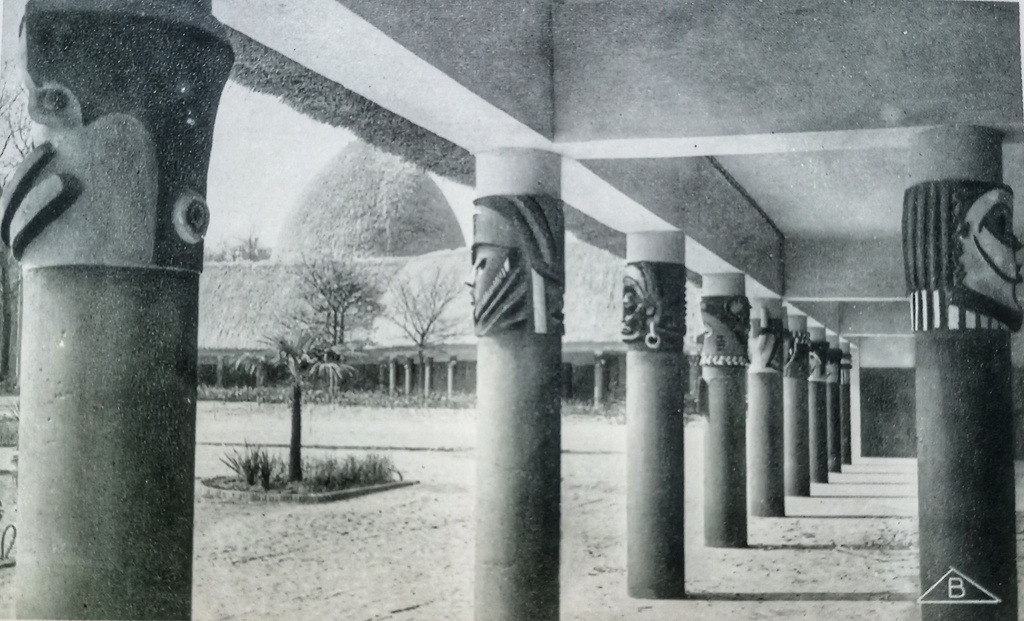
Dahomey Kingdom, Palace. A re-build during the French Colonial Exhibition, Paris, 1931 (c) Collection Remo Kurka
Visit also: The Lost Palaces of Africa in Paris: The 1931 Colonial Exhibition and the Memory of Dahomey (National Museum of Ghana website)
The Lost Palaces of Africa in Paris: DahomeyThe Cultural Corridor: From Abomey to the Volta Basin
The Dahomey Corridor is not a political map — it is a cultural and historical zone. It stretches across:
Southern Benin (Abomey, Ouidah, Allada)
Southern and central Togo (Aného, Kpalimé, Atakpamé)
Ghana’s Volta Region (Keta, Anlo, Ho, Kpando)
This corridor is defined by shared traditions:
Shared Languages and Ethnic Groups
Fon, Ewe, Aja, and related groups form a linguistic family that crosses borders. An Ewe speaker in Keta can communicate with an Aja speaker near the Mono River, and both share cultural roots with Fon communities in Abomey.
Shared Spiritual Traditions
Vodun (Voodoo) is not confined to Benin. It is practiced in Togo and Ghana’s Volta Region, where shrines, festivals, and priesthoods maintain ancient rituals. The spiritual world of Dahomey — deities, ceremonies, sacred groves — extends naturally across the corridor.
Shared Festivals and Ceremonies
The Hogbetsotso Festival in Anlo (Ghana) commemorates a migration story that connects directly to the Aja and Fon peoples of Togo and Benin. Many rituals, dances, and drumming styles found in Volta have parallels in Dahomey’s historical heartland.
Shared Trade Routes
Long before Europeans arrived, trade moved freely across this corridor:
salt from Keta
cloth from Abomey
palm oil from Togo
kola nuts from Ghana’s interior
spiritual objects and ceremonial items
The Mono River served as a natural artery linking communities.
Dahomey and the Slave Trade: A Corridor of Capture, Resistance, and Memory
The Atlantic slave trade reshaped West Africa profoundly, and Dahomey played a central role. The kingdom became a major supplier of captives to European traders, especially through the port of Ouidah. But the story is more complex than simple collaboration — it includes resistance, political negotiation, and internal conflict.
Ouidah: The Atlantic Gateway
Ouidah was one of the largest slave ports in West Africa. From here, enslaved people were shipped to Brazil, the Caribbean, and North America. Many captives came from:
Dahomey’s wars of expansion
raids in Aja and Ewe territories
conflicts along the Mono River
disputes in the Volta basin
This means that the ancestors of African Americans, Afro‑Brazilians, and Caribbean communities often trace roots not only to Benin but also to Togo and Ghana’s Volta Region.
The Connection to Ghana’s Castles
Although Dahomey’s captives left primarily through Ouidah, the trade networks were interconnected. European traders operating in Ouidah also had posts in:
Cape Coast Castle
Elmina Castle
Fort Amsterdam
Anomabo
Christiansborg
Captives moved between regions depending on demand, alliances, and the shifting politics of European companies.
It is historically accurate to say:
The people who passed through Cape Coast Castle and Elmina Castle were part of the same cultural world as those shipped from Ouidah.
This is why diaspora communities often find cultural echoes across Ghana, Togo, and Benin.
The Corridor Under Colonial Rule: Borders That Cut Through Culture
When European powers carved up West Africa in the late nineteenth century, they imposed borders that ignored cultural realities.
France took Dahomey (Benin) and Togo.
Britain took the Gold Coast (Ghana).
The Ewe, Aja, and Fon peoples were split across three colonies.
The result was a political division of a previously unified cultural corridor.
The Ewe Partition
The Ewe people were divided between:
British Togoland (later part of Ghana)
French Togoland (now Togo)
Dahomey’s sphere of influence
This partition still shapes identity and politics today.
The Mono River Boundary
The Mono River became a colonial border, but communities on both sides continued to intermarry, trade, and share traditions.
Cape Coast Castle and Ouidah Under Different Flags
Cape Coast Castle became a British administrative center. Ouidah became a French-controlled port.
Yet both remained part of the same Atlantic system.
The Corridor Today: A Living Heritage Across Three Nations
The Dahomey Corridor is not a relic — it is alive.
In Benin
Abomey’s royal palaces preserve the memory of Dahomey’s kings. Ouidah’s Door of No Return stands as a symbol of diaspora history.
In Togo
Aného retains its coastal heritage, Kpalimé its artistic traditions, and the Mono River its cultural significance.
In Ghana
The Volta Region remains a bridge between Ghana and its eastern neighbours. Festivals, shrines, and oral histories preserve the memory of migrations from the Dahomey sphere.
In the Diaspora
African Americans, Afro‑Brazilians, Haitians, Cubans, and Caribbean communities often discover ancestral links to:
Fon
Ewe
Aja
Yoruba
Ga
Fante
The corridor’s cultural fingerprints appear in:
music
dance
spirituality
naming traditions
food
storytelling
Why the Dahomey Corridor Matters Today
Understanding the Dahomey Corridor helps us see West Africa not as isolated nations, but as a connected cultural world. It reveals:
how kingdoms shaped modern borders
how shared traditions survived colonial partition
how the slave trade linked Ghana, Togo, and Benin
how diaspora communities can trace roots across multiple regions
how Cape Coast Castle and Ouidah are part of one Atlantic story
For visitors, the corridor offers a unique heritage route:
Cape Coast Castle → Volta Region → Togo → Abomey → Ouidah
It is a journey through history, culture, and memory — a path that reconnects the pieces of a world once divided.
A Corridor of Memory, Identity, and Connection
The Dahomey Corridor is one of West Africa’s most important cultural landscapes. It stretches across three nations, yet remains unified by shared heritage. From the royal palaces of Abomey to the shrines of Volta, from the river towns of Togo to the coastal forts of Ghana, the corridor tells a story of power, migration, spirituality, and resilience.
It is a story that belongs not only to West Africa, but to the entire Atlantic world.
And Cape Coast Castle — standing on Ghana’s shore — is one of the corridor’s most powerful gateways to that shared memory.